Article by Menna Medhat
Introduction
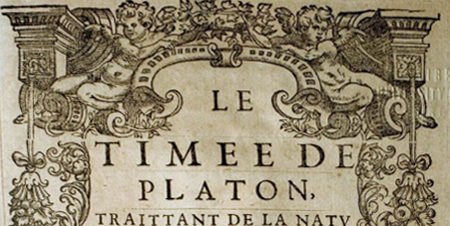
This is one of the dialogues by Plato, written around 360 BCE, and one that is usually ignored by nonspecialists due to its subject matter. Here Plato expresses his ideas on cosmogony, the origin of creation, and the nature of the soul, all of these queries have lost value in our age, and are even deemed irrelevant and unnecessary.
Plato’s investigation is not into the science of world creation, but into the the order and meaning of it, which should lead him to the archetype concepts of the “Good” (Ethics), the “Just” (Truth) and the “Beautiful” (Art), the three platonic transcendentals he considers the pillars of all creation.
Ancient texts are usually the hardest for modern readers to understand, because the reader must make considerable effort to try and align him/herself with the author’s world view in order to understand the ideas expressed by them.
Every age has its own way of communicating meaning, even when using the same language, it wouldn’t necessarily mean the same things, intrinsic meaning of the same words shift over time. An example for this is when Plato talks about how God created the universe in the shape of a sphere that could only move in circular motion, one needs to know that there is a lot to unpack beyond that formal description, the sphere and the circle are perceived as the most divine, the most perfect of all shapes, it symbolizes divine symmetry, cyclical movement and balance, wholeness and balance for the Greeks. So by creating the world in that divine form, god elevates the universe to a status of perfection that is between the divine creator and the rest of the creatures.
Even though the ancients did not possess the knowledge that we have today about the universe and the beginnings of mankind, they possessed a different kind of knowledge of the world, one that is lost to us, and not any less valid than ours. It is possible to bridge these differences to try and recover the essence of their ideas by adopting their way of seeing and understanding the world, and by pondering the common and still outstanding question that we today share with ancient thinkers, and still stands without a definitive answer: “How did the world come to be?”
We try to get our answers through the scientific method (observing, hypothesizing, experimenting), while Plato seeks his answers through observation, reason and logic, as he contemplates the world around him. He searches for an underlying order through the confused chaotic influx of the sensical world, what we can perceive through the five senses, and trying to find and connect the dots.
“In the present day we are well aware that an ancient philosopher is to be interpreted from himself and by the contemporary history of thought (at the time). (… Plato’s ideas) arising out of his imperfect knowledge and high aspirations (towards the truth), and is the growth of an age in which philosophy is not wholly separated from poetry and mythology “
The Dialogues of Plato, translated by B. Jowett – Oxford University Press, 1892
مقدمة
طيماؤس هي واحدة من محاورات افلاطون الاقل شهرة، كتبت حوالي عام ٣٦٠ ق.م. وفي الاغلب يتم تجاوزها من قِبل غير المتخصصين، ويعود ذلك الي موضوع المحاورة حيث يقدم لنا افلاطون افكاره وتساؤلاته عن بداية خلق الكون، كينونة الاله الخالق وطبيعة الروح، اسئلة لم يعد لها قيمة في العصر الحالي، لأنها بلا قيمة نفعية، بل وينظر الى من تشغلهم نظرة دونية احياناً لتضييع وقتهم وتفكيرهم بلا طائل. تأتينا افكار افلاطون على لسان طيماؤس في شكل مونولوج، وليس كديالوج يقوده سقراط كالعادة، فهو بالتالي اقرب الي دفاع عن أفكاره “اپولوچي” منه الي محاورة “ديالوج”. يبحث افلاطون عن منطق “لوجوس” الخلق والذي لابد وان يقوده الى اركان الكون التعالوية/التجاوزية “الترانسيندنتالية” الثلاث وهم: الحق-الخير-الجمال.
“وقد نادى بالفسفة التعالوية إيمانويل كانت وقوامها أن معرفة الحقيقة لا تستمد من الخبرة أو التجربة، بل من مصادر حدسية أو روحية “تتجاوز” حدود التجربة الموضوعية و”تعلو” عليها. ويـُقصد ب”مذهب التعالي” أو “التجاوزية” أيضاً ذلك المذهب الذي وضعه رالف إمرسون وطائفة من الفلاسفة الأمريكيين، في القرن التاسع عشر، والذي يقول بأن للإنسان أفكاراً لا تنبع من الحواس الخمس أو من القوى العقلية بل تنشأ عن إلهام إلهي مباشر، وبأن للإنسان إلى جانب جسده المادي “جسداً روحياً” ذا حواس تدرك ما هو حق وخير وجميل.”
المورد الكبير – منير بعلبكي ١٩٦٧
قراءة وفهم النصوص القديمة يكون دائما الاصعب على القارئ المعاصر نظراً لبعد المسافة الزمنية وبالتالي المسافة الفكرية بينه وبين الكاتب. فعلى القرئ ان يبذل مجهوداً حقيقياً ليستقبل النص في محيطه الاصلي من الافكار والرموز حتى يصل الى المعنى المراد منه، وهذا المعنى في ذو طبيعة تجاوزية لا يرتبط بالزمان والمكان.
فمثلاً عندما يصف افلاطون خلق الاله للكون علي شكل كروي وجعله يتحرك في مسارات دائرية فقط ونزع عنه الاتجاهات الستة (اعلى،اسفل،شمال،جنوب،شرق وغرب)، حتى نفهم الاشارات هنا، يجب اولاً ان نعرف مكانة الدائرة وما ترمز إليه عند الاغريق: الدائرة كشكل هندسي محوري ومتماثل في جميع ألإتجاهات ملك خيال علماء وفلاسفة الاغريق لقرون عديدة، وكانت تعد الدائرة الاعلى مقاماً بين جميع الاشكال الهندسية، فهي ترمز للتماثل المقدس والكمال، والحركة الدورية للزمن والكواكب والتوازن الكوني، واللانهائية. ومن هنا يمكننا ان نستقبل المعنى المشار اليه وهو ان الاله اراد ان يعطي الكون الكمال ويرتقي به الى مكانة ما بين قدسية الاله الخالق وعلمانية باقي المخلوقات.
على الرغم من أن القدماء لم يمتلكوا المعرفة التي نمتلكها اليوم عن الكون وبدايات الإنسانية، إلا أنهم كانوا يمتلكون نوعًا أخر من المعرفة، نوعاً يعتبر مفقوداً بالنسبة إلينا. ومع ذلك يمكننا تجاوز الاختلافات بيننا وبينهم بتبني رؤيتهم وطريقة استيعابهم للكون، محاولة لالإقتراب من جوهر أفكارهم وطرق المعاني المطروحة. كما أن بيننا وبين المفكرين القدامى سؤال مشترك لم يتم الإجابة عنه حتى يومنا هذا وهو : “كيف وجد الكون؟”
نحن نسعى للإجابة عن هذا السؤال من خلال المنهج العلمي، وهو الملاحظة والإفتراض التجارب ثم وضع النظريات العلمية، أما أفلاطون فيسعى للإجابة عن طريق العبور من غابة العالم الحسي واللتي تتمثل في كل ما يدرك عن طريق الحواس الخامس وتأمل الكون وإعمال العقل والمنطق.
“في يومنا هذا ندرك جيداً أن الفيلسوفً القديم يجب تفسير أفكاره من خلال مكانه في تاريخ الفكر المعاصر (لذلك الوقت). (أفكار أفلاطون) تنبع من طموحاته (نحو الحقيقة) رغم معرفته غير الكاملة، وهو نتاج عصر لا يتم ألفصل فيه بين الفلسفة والشعر والأساطير “
محاورات أفلاطون ، ترجمه ب. جويت-مطبعة جامعه أكسفورد ، 1892

